
Every racer hits this sooner or later: you switch to a new motor, crash a few times, and end up with three good motors and a drawer full of something else. Throw the odd ones away, or sell them used for almost nothing?
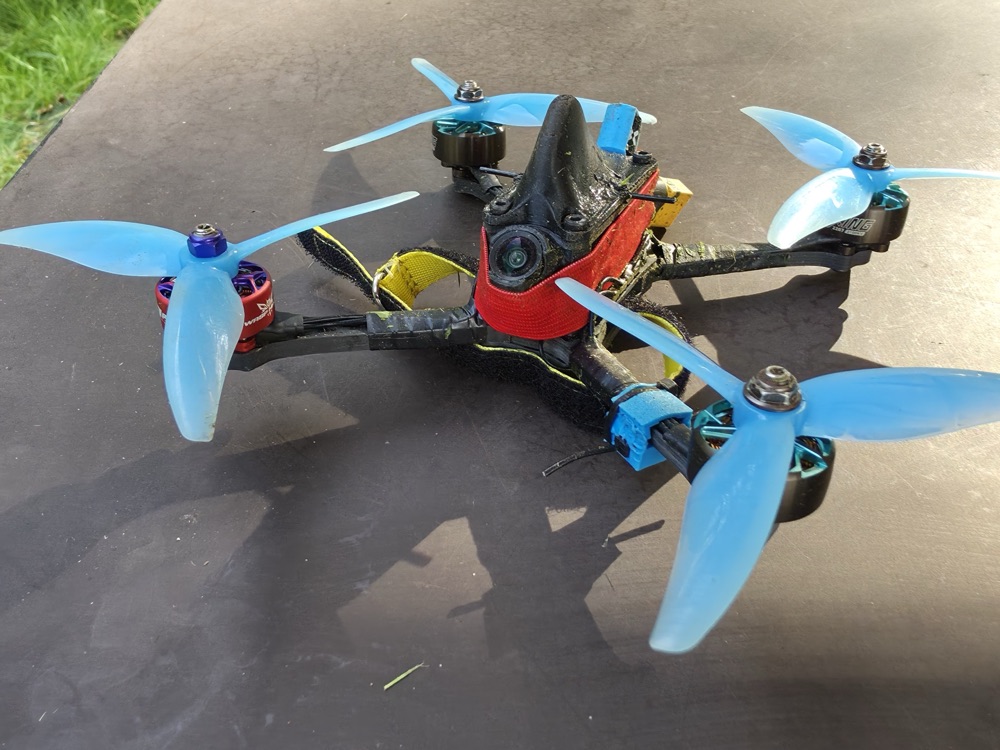
Every racer hits this sooner or later: you switch to a new motor, crash a few times, and end up with three good motors and a drawer full of something else. Throw the odd ones away, or sell them used for almost nothing?
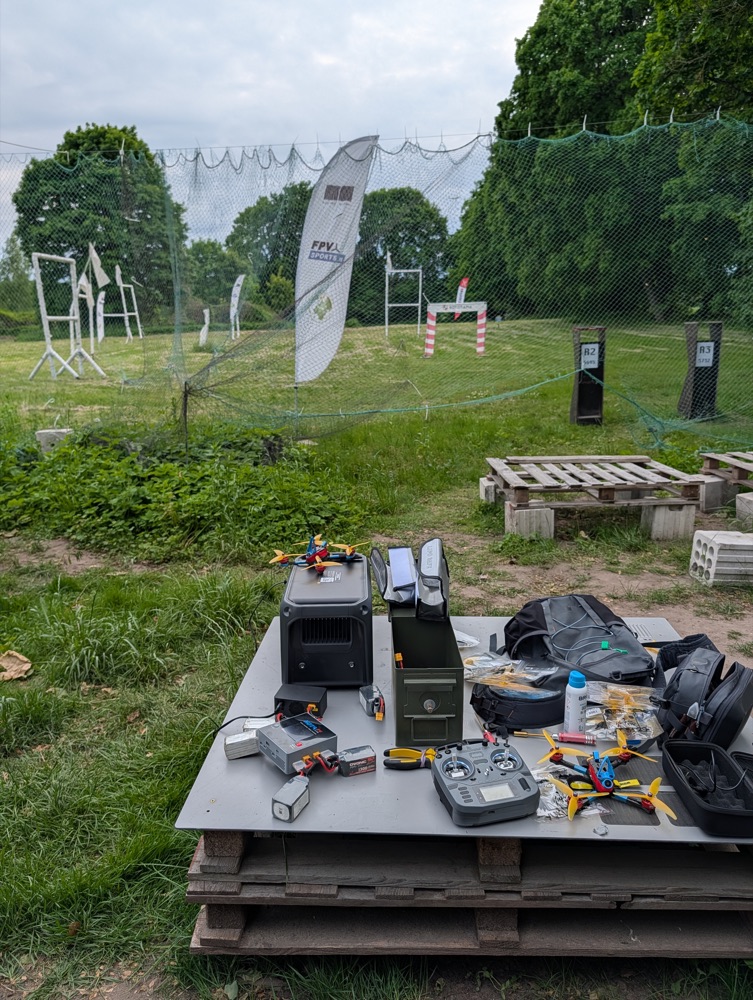
For years, the standard approach to FPV field charging has been cobbling together massive 18650 or 21700 Li-Ion battery packs. While they work, maintaining a giant DIY pack introduces safety risks, especially if you live in an apartment. I wanted a safer, more versatile field power solution with an AC inverter and stable Lithium Iron Phosphate (LFP) chemistry so I could finally sleep with peace of mind. Enter the DJI Power 1000 V2.
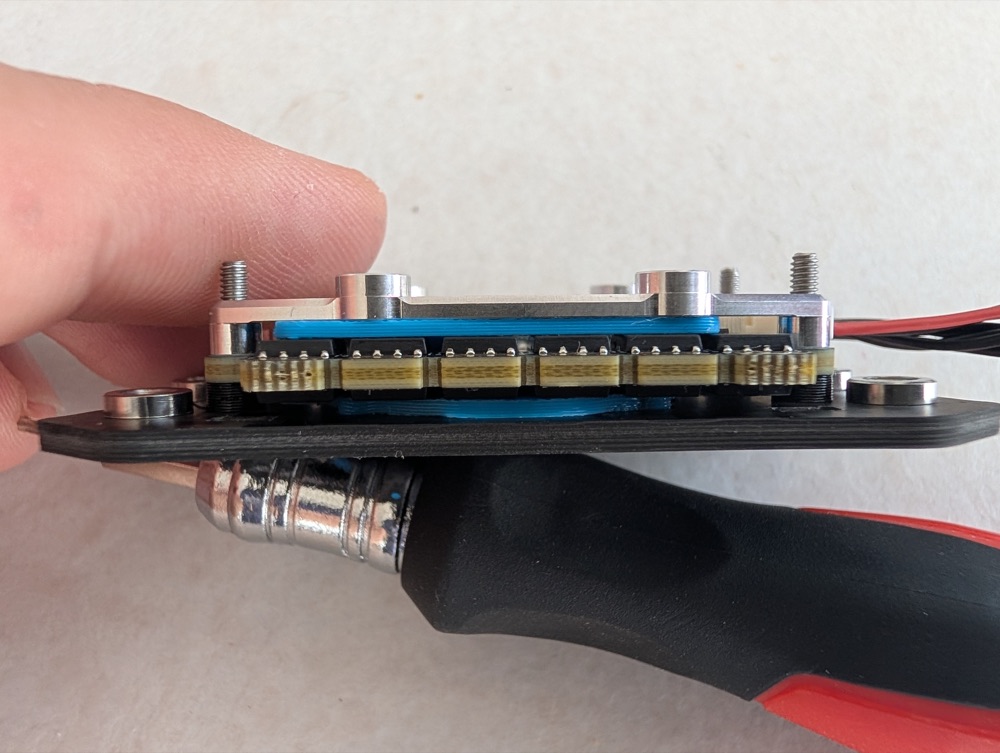
This builds on top of my previous TBS Lucid stack review, where I detailed how the exceptional AM32 ESC is compromised by a fragile Gorilla mounting bracket that bends and shorts out center components during crashes.
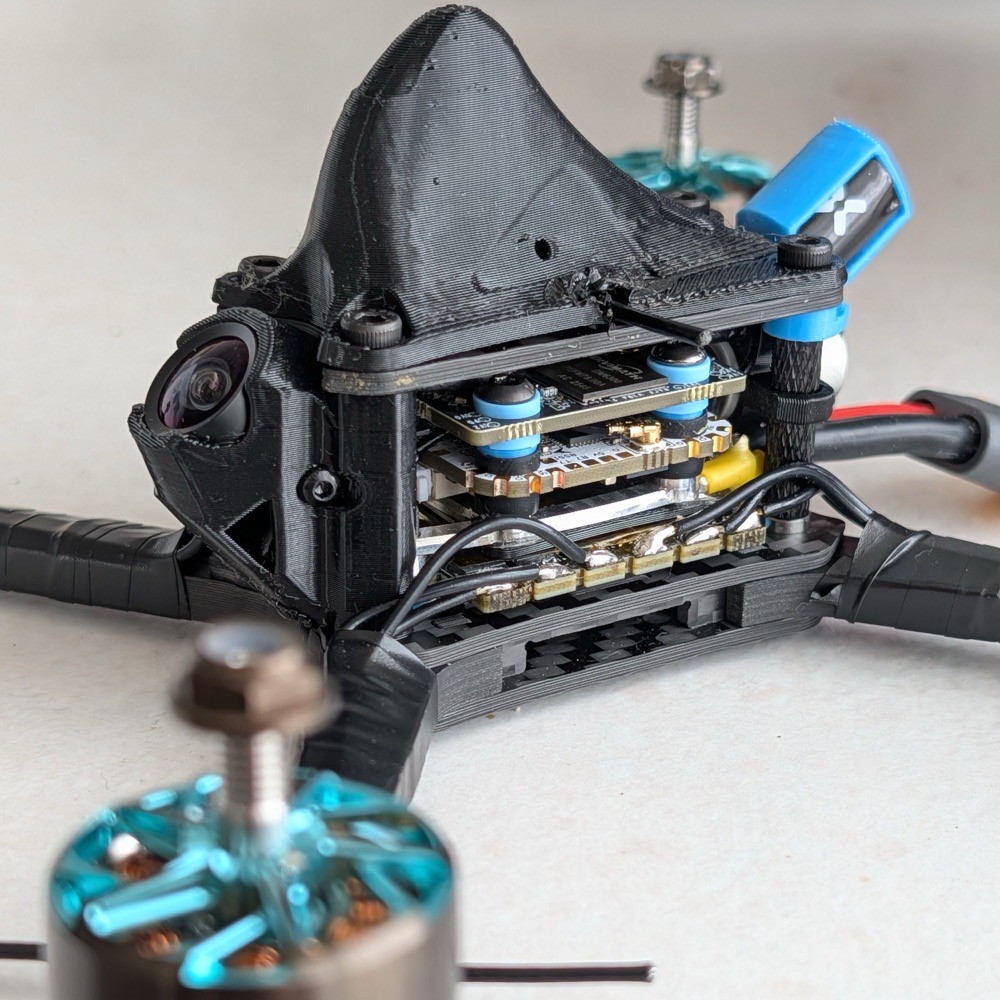
Finding an electronics stack that delivers uncompromised power, clean electrical delivery, and dependable crash durability is the holy grail for competitive 5-inch drone racing. When Team BlackSheep unveiled the TBS Lucid Freestyle Stack - featuring an AT32-powered flight controller and a 60A AM32 ESC built with full-size FETs - it looked like a masterclass in power density at an astonishingly competitive price of $89.95.
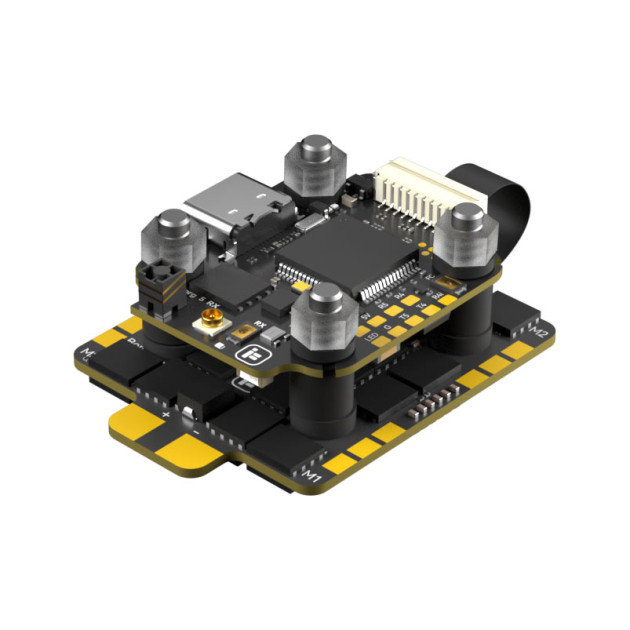
Finding the ideal electronics for a modern 5-inch FPV racing drone is always a delicate balance between weight, stack height, wiring clutter, and crash survivability. The iFlight Borg 5S ELRS RX + 60RS BL32 stack immediately caught my eye with two massive promises on paper: an onboard ExpressLRS receiver to eliminate external RX wiring, and a 60A 4-in-1 ESC with integrated capacitors to completely ditch the bulky external low-ESR capacitor.